The Power of Addition
Minimal composite. Maximum impact.
Anterior composite dentistry does not always mean full facial coverage or extensive restorations. Often, the greatest changes can be achieved by adding composite only where it is truly needed.
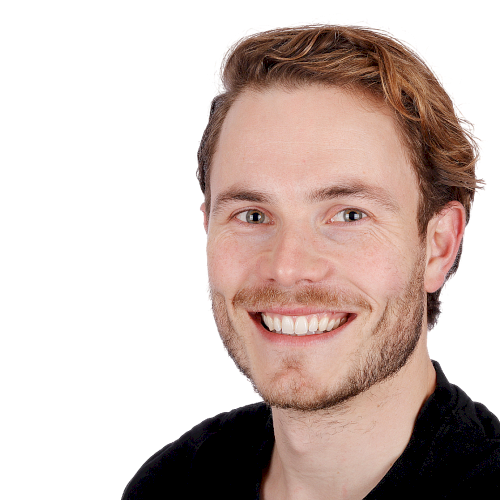
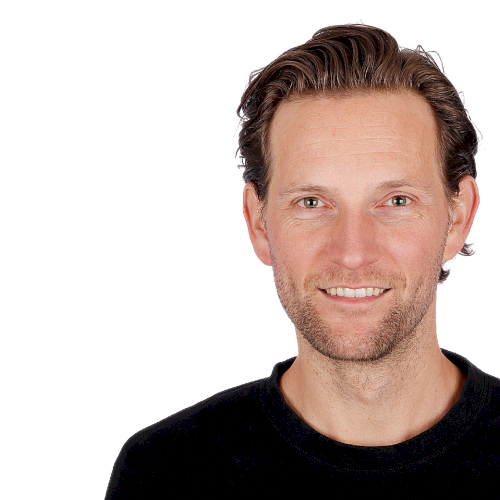
In this webinar, Maarten de Beer and Erik-Jan Muts explore the possibilities of minimally invasive additive composite dentistry in the anterior region. Through a series of everyday clinical scenarios (including fractured incisal edges, diastema closure, black triangles, worn dentitions and subtle shape and proportion corrections) they demonstrate how small, strategically placed additions can have a significant impact on both function and esthetics.
Learning objectives:
After attending this webinar, participants will be able to:
- Recognize common anterior situations in which a minimally invasive additive composite approach can be used.
- Understand how small changes in tooth shape, proportion, contact points and incisal form can have a significant esthetic and functional impact.
- Select appropriate techniques for clinical situations such as diastema closure, black triangles and shape corrections.
- Understand the importance of isolation, matrix selection and composite placement when creating predictable anterior restorations.
- Apply a “minimal composite, maximum impact” philosophy to preserve healthy tooth structure while achieving natural-looking results.
Language:
—————————————————————————————————–
Restaureren in het front betekent niet automatisch dat een volledige tand bedekt hoeft te worden met composiet. Juist door composiet alleen daar toe te voegen waar het écht nodig is, kunnen met minimale toevoegingen grote veranderingen worden bereikt.
In deze webinar laten Maarten de Beer en Erik-Jan Muts zien welke mogelijkheden minimaal invasieve, additieve composiettechnieken bieden in het front. Aan de hand van uiteenlopende klinische situaties, waaronder diasteemsluitingen, black triangles en subtiele correcties van tandvorm en proportie, demonstreren zij hoe kleine, strategisch geplaatste toevoegingen een groot verschil kunnen maken in zowel esthetiek als functie.
De nadruk ligt daarbij niet op het volledig bedekken van tanden met composiet, maar op de vraag: waar, waarom en hoeveel composiet moeten we eigenlijk toevoegen?
Leerdoelen:
Na het volgen van deze webinar is de deelnemer in staat om:
- Veelvoorkomende situaties in het front te herkennen waarin een minimaal invasieve, additieve composietbenadering kan worden toegepast.
- Te begrijpen hoe kleine aanpassingen in tandvorm, proportie, contactpunten en incisale vorm een grote esthetische en functionele impact kunnen hebben.
- Een passende techniek te selecteren voor verschillende klinische situaties, zoals diasteemsluitingen, black triangles en vormcorrecties.
- Het belang van isolatie, matrixselectie en gecontroleerde composieta pplicatie voor voorspelbare restauraties in het front te begrijpen.
- Het principe ‘minimaal composiet, maximale impact’ toe te passen, waarbij zoveel mogelijk gezond tandweefsel behouden blijft en tegelijkertijd een natuurlijk esthetisch resultaat wordt nagestreefd.
Taal: